
How to make the world a better place: A course idea for students
This idea keeps coming up: Can we use a social learning format like WOL to help students grow and connect?
Not to build a network or be more visible, but for them to learn how to connect, cooperate, and take an active role in shaping their world. I discussed this in Germany last week with several founding members of unfold e.V., an NGO whose mission I admire:
“We create safe, inclusive and experiential learning spaces where young people and youth workers can reconnect: with themselves, with others, and with the wider social and natural surroundings they are part of.”
They said a social learning experiment is worth trying. So here’s an idea. It’s not well-formed, but my hope is that this post can attract feedback and potential collaborators.
Big Picture
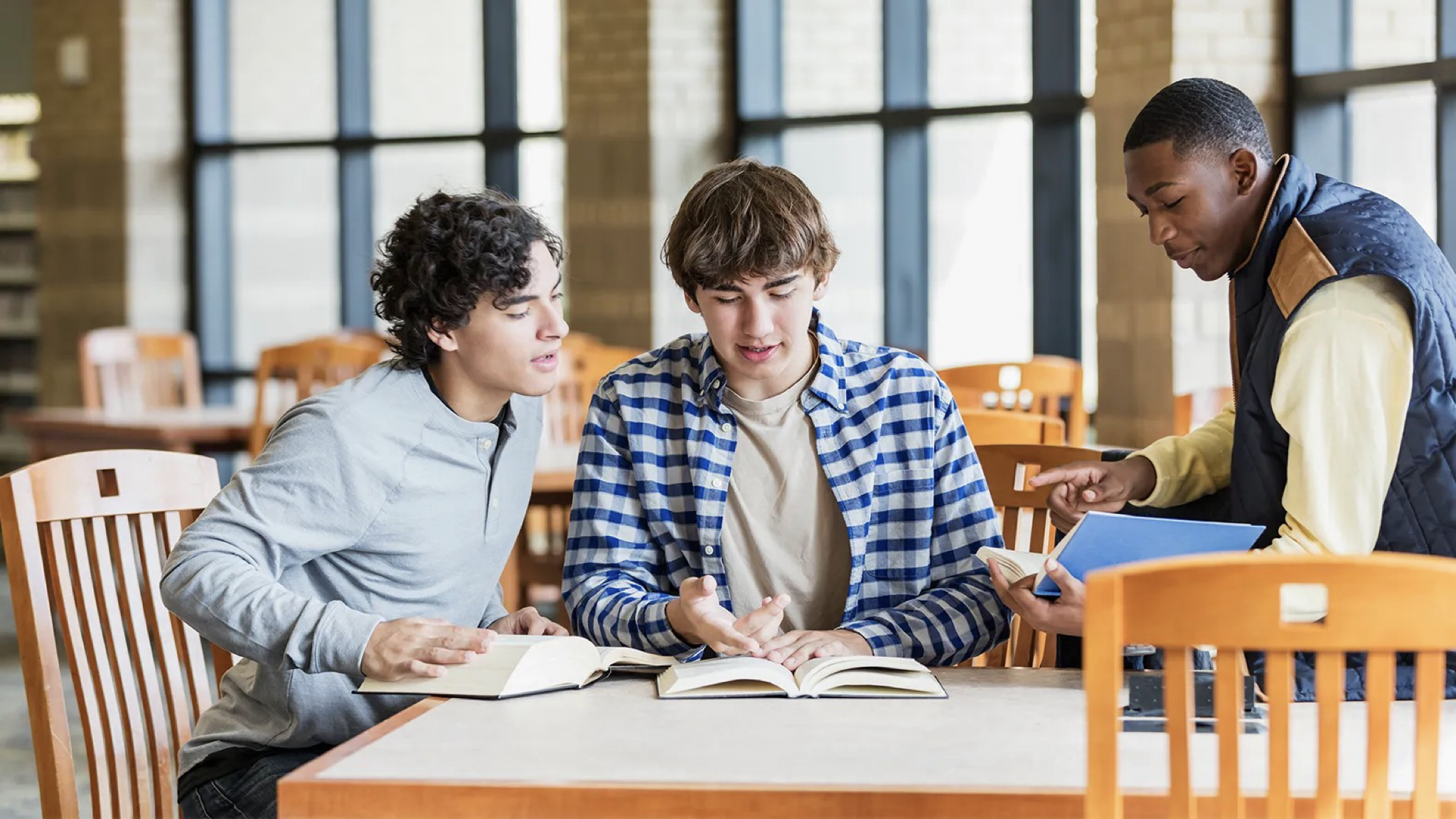
Students are formed into small groups.
Each student has a goal of “making the world a better place.” They may have an idea at the beginning or it may emerge during their time together.
There are six to nine structured sessions.
The sessions are divided into three modules: I, We, Community.
There is no competition. What matters is an earnest attempt to make a positive difference and to share what you learn.
Goals
Students will:
Gain a better understanding of “how people work”: why we do what we do, and how to communicate, influence, and collaborate effectively.
Experience self-determination by choosing a goal and bringing it to life.
Build self-efficacy through small steps and progress over time.
Develop a sense of connection and belonging with their Circle and beyond.
Sample topics
I level: emotional regulation, triggers, strengths, self-talk, self-compassion, self-awareness.
We level: empathy, perspective-taking, feedback, managing conflict, cooperation.
Community level: expanding the “circle of us,” taking action locally, navigating different perspectives.
What do I expect?
If all a student does to “make the world a better place” is to be kinder to themselves and others, then that would be a huge achievement. Some may help older people in their village, tutor kids in their school, organize a food drive or coat drive at school, or find other ways to work together and make a positive difference. Some may take what they learn about people and self-determination and apply it to positive ideas in the future.
If this works, students can experience a real sense of agency, learning how to channel their hopes for a better world into action and connection.
Do you know of something similar in a school setting?
Do you have ideas or feedback that could help bring this to life?