
Last week I shared an idea for a WOL program for students, tentatively named “How to make the world a better place.” The aim is for students to cultivate self-efficacy and connection as they each work on their individual ideas, together.
I thought sharing my own “better world” idea might help people see how the program could work, and maybe attract more feedback.
My idea: Establish a “building buddy” system so people have at least one other person who can be a source of connection and support.
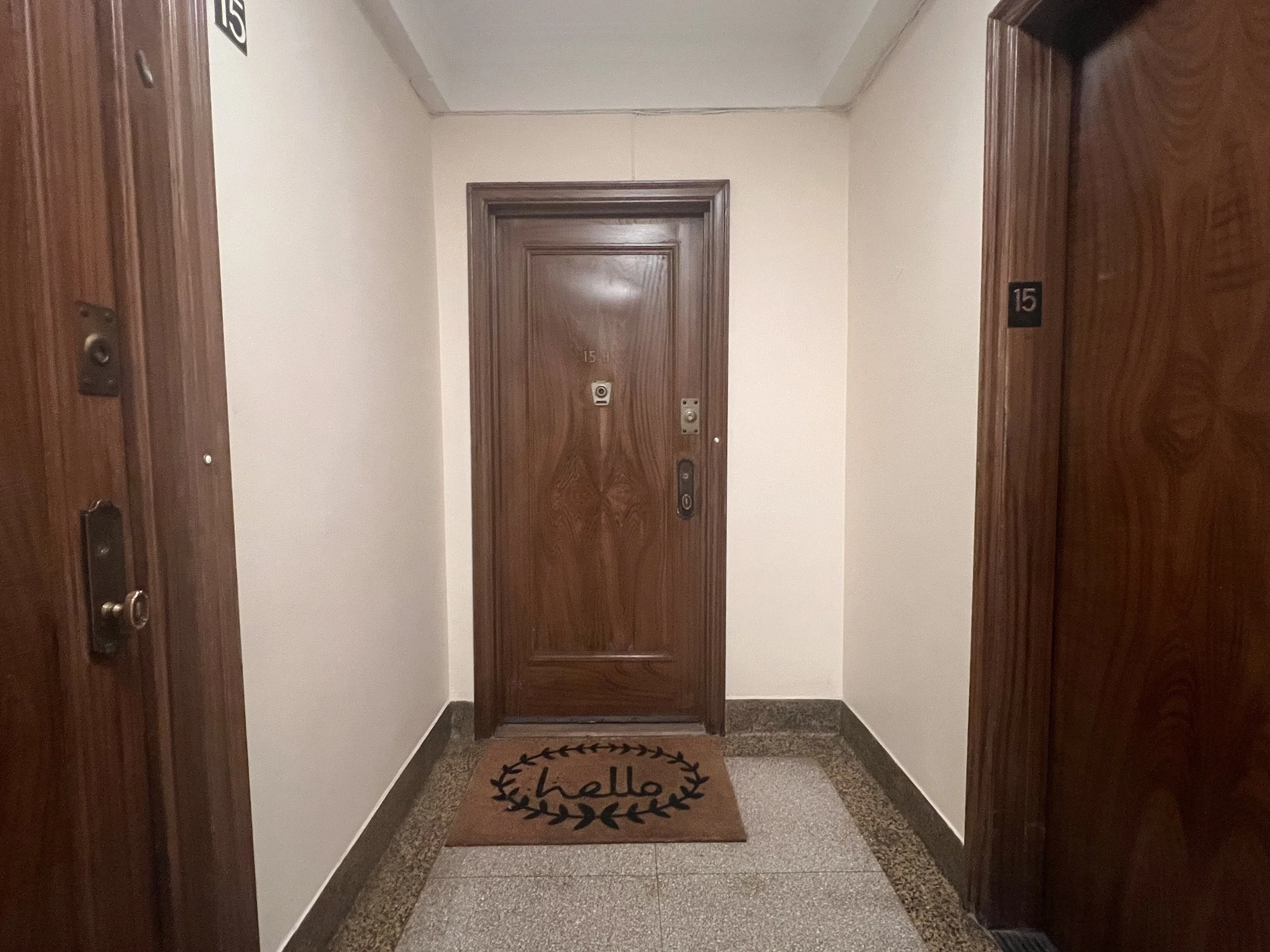
Even though I’ve lived in NYC my entire life, I’m still struck by how few people know their neighbors, especially in rental buildings. There are 165 apartments in our building, spread across three elevator banks. A person living on the other side may as well live in another country.
Some are alone or living with disabilities. Yet we may never manage more than a “hello.” Maybe not even that.
Thinking of the new WOL program, I decided to share my idea via a rarely-used email list of a few tenants. 18 people immediately said “Yes.”
I was shocked.
“Love this idea. We are in!"
"We need a community now more than ever.“
“I grew up in this building (I've lived here since 1960) and way back when we knew many more of our neighbors and many helped each other out.”
“Thank you for mobilizing us and making us better by doing so.”
Now I wish I had such a Circle to help me keep going, step by step. The structure, shared accountability, and support would make this project more fun and much more likely to succeed.
The same would be true for students.
I want them to experience more just doing a good deed. I want them to see themselves as active agents of positive change in the world.
The program I’m imagining follows a simple flow:
I: What do I care about? Why does it matter to me? What could I contribute?
We: How do I involve others? What might matter to them? How could we work together?
Community: What can we try? What can we learn? How do we build on that?
In a Circle, students would learn about themselves and how to relate to others as they try, week by week, to make a positive difference.
Amidst all the challenges and negativity they might see in the world, they could begin to develop a mindset of curiosity and empowerment:
“What can I do?”
“What might we do together?”